

How Can I Stop Checking Work Emails in the Evening?
To stop checking work emails in the evening, first agree when you are expected to respond and how genuine urgent issues will reach you. Then silence routine work notifications outside those hours, leave a short note about tomorrow’s next task and put the inbox out of easy reach. If you are on call, keep the agreed contact route available.
By Letting Go Hypnosis, part of Letting Go Labs Ltd. Published 18 November 2026.
You sit down after dinner and reach for your phone. You only mean to check whether anything has arrived. Ten minutes later, you are drafting a reply, thinking about tomorrow and barely following the programme you wanted to watch.
This guide focuses on routine messages outside your agreed working hours. For shift workers, “evening” may mean the morning after a night shift. The aim is to protect time when you are genuinely off duty, not to ignore responsibilities that need a clear handover.
1. Find out whether a reply is actually expected
A message arriving at eight o’clock does not, by itself, tell you when the sender needs an answer. They might work different hours or be clearing their own inbox. Rather than guessing, ask your manager what the expectation is.
“I’ve noticed I keep checking messages after I finish. Could we agree which things need a response before my next shift, and how you would contact me if something genuinely urgent came up?”
Agree a normal response window and a separate route for urgent matters. The Health and Safety Executive discusses clear policies for contact outside working hours, including a cut-off after which email replies are not expected. Your team’s arrangement needs to fit the role.
2. Keep urgent contact separate from the everyday inbox
If you are on call, simply switching everything off may be inappropriate. Ask which channel you must monitor, what counts as urgent and who covers when you are unavailable. Keep required alerts enabled and test the arrangement through your normal workplace process.
If you are not on call, try silencing only work-email and work-chat notifications during your time off. Keep personal contacts and other alerts you need. On an employer-managed device, follow the approved settings and ask IT for help if needed.
The NHS suggests switching off work notifications outside working hours as one possible boundary. This works best when the people you work with understand the arrangement.
3. Leave tomorrow a clear starting point
Before finishing, take a couple of minutes to write down what remains open and the next action. Keep work information in the approved workplace system, not a personal note-taking app.
For example: “The supplier has not replied. Check their answer after the morning handover; if nothing has arrived, call them.” That is more useful than a vague reminder to “sort the problem”. Hand over anything that cannot safely wait before leaving.
This is an everyday organisational suggestion, not a promise that writing a list will remove worry. It gives you somewhere to return to without reopening the inbox just to remember where you stopped.
4. Make the automatic check less convenient
When you pick up your phone to look at a photo or message a friend, a work-email badge can pull you elsewhere. If permitted, remove that badge, move the work app away from your home screen or leave a separate work device in its usual storage place.
Choose one ordinary activity to do after finishing: prepare a meal, change your clothes or spend a little time with someone. You do not need an elaborate evening routine. The American Psychological Association recommends work-life boundaries and time to recharge; the practical form will differ from person to person.
5. Decide what to do when the urge returns
You may still think, “What if someone needs me?” Remind yourself of the arrangement you agreed: “Urgent issues come through the on-call route. Routine emails wait until I’m back.” Then return to what you were doing, even if you do not feel completely settled yet.
If you accidentally open the inbox, you do not have to turn one glance into an hour of work. Provided nothing requires action under your agreed responsibilities, close it again. Try the same boundary at the next opportunity rather than treating a slip as failure.
What if my manager still expects replies?
A notification setting cannot solve an unreasonable workload or an unclear expectation. Keep factual examples of the requests and discuss the pattern through an appropriate route: your manager, another manager, HR, occupational health or a union representative.
If you manage others, make response expectations explicit and consider scheduling routine messages for their working hours. “No reply needed until your next shift” can remove uncertainty when you need to write at a different time.
If work stress is persistently affecting your sleep, health or everyday life, speak with a GP or qualified healthcare professional. Relaxation can be a personal choice alongside practical support; it cannot fix working conditions or replace care.
Try one change today: clarify when routine replies are expected. Once that is agreed, choose one notification or device boundary that makes your time off easier to protect.
UK and US support and resources
- NHS — Work-related stress: practical suggestions and finding support.
- HSE — Stress resources: includes guidance on contact outside normal working hours.
- American Psychological Association — Coping with stress at work: boundaries, recovery and seeking support.
A separate time to unwind with Letting Go
Deal with Stress in the Workplace is a complete 36-minute 30-second guided hypnosis recording with Theo’s narration and softly mixed Mystic Dawn (Theta) music. It offers an optional period of relaxation away from work tasks.
The Letting Go approach invites you to notice feelings without having to struggle with every uncomfortable sensation. You may find a quiet listening session useful as part of your time off. It cannot guarantee that you will stop checking messages, change an employer’s expectations or treat a health condition. Experiences vary. The sources above support the general practical guidance, not the effectiveness of this branded recording.
You can listen to the same complete session free on YouTube before deciding whether to buy. The paid MP3 gives you a downloadable copy with permanent access and no subscription; it is not a different or therapeutically superior version. You can also try the practical changes above without using hypnosis.
Listen to the complete recording
Explore the Workplace Confidence Bundle
The Workplace Confidence Bundle brings together Confidence at Work, Deal with Stress in the Workplace and Public Speaking Confidence. These three complete MP3 recordings offer a choice of sessions for everyday work conversations, pressure and presenting to others. The current bundle price is £14.99. It includes the workplace stress recording linked above, so check any existing purchases before buying.
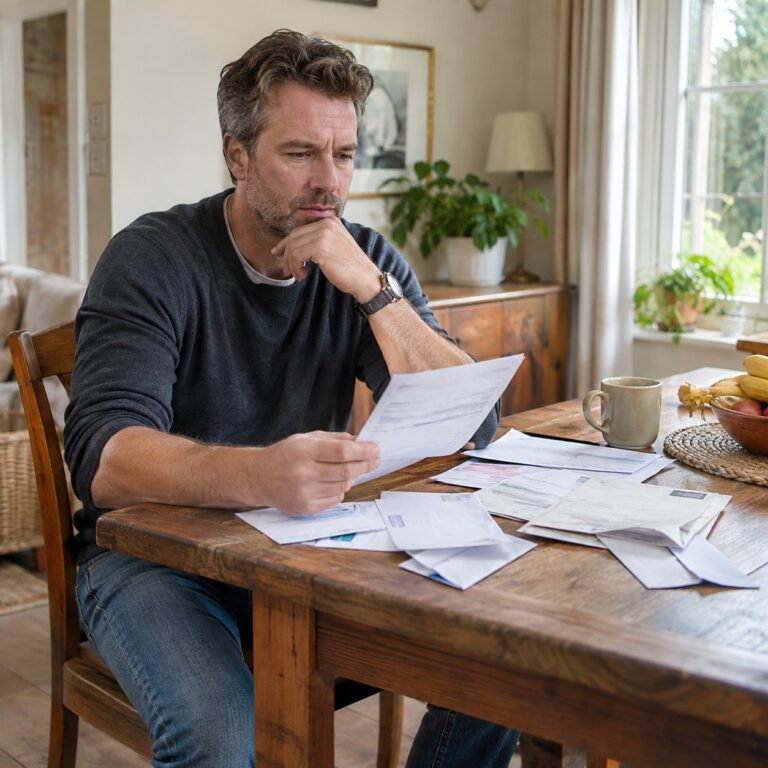
Illustrative featured photograph by Kev Costello, used under the Unsplash licence.





2 Comments