How Can I Stop Checking the Clock When I Can’t Sleep?
To reduce clock-checking when you cannot sleep, arrange a reliable alarm before bed, turn the time display away and decide how you will respond to the urge to look. You do not need to keep calculating the hours until morning. If you become wide awake and frustrated, choose a quiet activity and return to bed when sleepy, rather than timing yourself.
You glance at the clock for reassurance. Then you subtract the time from your alarm, predict a difficult day and look again to see whether you have fallen further behind. This guide focuses on changing that checking routine. For broader advice about waking in the night, see our night-waking guide.
Why can checking the time make sleep feel harder?
A clock supplies a number, but your mind may turn it into a judgement: “I should be asleep by now.” The US National Institutes of Health explains that worrying about sleep or watching the clock can make insomnia worse. That does not mean a single glance causes a sleep disorder, or that hiding a clock will solve every sleep problem.
The useful question is whether another check gives you information you need to act on. If your alarm is set and no responsibility needs attention, it may simply invite another calculation.
1. Set up the morning before you settle
Choose your intended getting-up time and check that your alarm is correctly set, audible and powered. Then turn the display away from the bed. Use a clock or device you already own; there is no need to buy a special sleep gadget.
If you use your phone, keep essential calls or alerts available where needed, while reducing unnecessary notifications. Put the screen face down or beyond easy reach. Do not change arrangements needed for caring responsibilities, medication reminders or medical monitoring.
For example: “My alarm is set for seven, and I have checked it. I can leave the timekeeping to the alarm.” This is a practical reminder, not a phrase you must repeat until you feel reassured.
2. Make a plan for the urge to look
Decide beforehand what you will do when your hand reaches for the phone. You might leave it where it is, notice the pillow beneath your head and let your breathing stay comfortable. If an actual task needs remembering, write a few words on paper and leave the planning for daylight.
You are allowed to feel uncertain about the time. The aim is to interrupt the calculation, not to force yourself into perfect calm. If you do look, put the display away again without deciding the whole night is ruined.
3. Avoid replacing the clock with another sleep test
Watching the recording’s progress bar, counting how many relaxation exercises you have completed or repeatedly checking a wearable can become another way to measure whether sleep has arrived.
If you use audio, choose it and set a low, comfortable volume before settling. You do not need to keep checking how many minutes remain. If a sleep tracker encourages repeated checking, consider leaving its overnight display out of sight and reviewing any useful information later. Keep monitoring prescribed by a clinician in place.
4. Use how you feel, rather than a stopwatch
University College London Hospitals advises getting up for something relaxing when you feel anxious, frustrated or uncomfortable in bed, then returning when sleepy. You do not need to keep looking at the clock to decide whether a precise interval has passed.
Have a simple option ready: a familiar book in a comfortable chair, for example. Use enough light to move safely, especially if you have balance or mobility difficulties. Avoid turning the break into work, shopping or scrolling through upsetting news. If getting up is unsafe, discuss a suitable alternative with your clinician.
5. Review the pattern in daylight
Ask whether your evening setup made checking easier to interrupt, rather than demanding a perfect night as proof. If a clinician has asked you to keep a sleep diary, follow their instructions; a diary does not have to become a reason for repeated overnight checks.
Persistent sleep difficulties need more than a bedside adjustment. The NHS recommends seeing a GP if changes have not helped, problems have lasted for months or sleep is making daily life hard to cope with. Seek advice sooner if you are concerned. Do not drive when sleepy.
In the US, NHLBI identifies cognitive behavioural therapy for insomnia (CBT-I) as the usual first treatment for long-term insomnia. A relaxation recording is not a replacement for assessment or CBT-I.
Try this tonight: check your alarm once during your normal bedtime preparation, turn the display away and choose one quiet response to the urge to look. Keep the experiment small.
UK and US support and resources
- UCLH — Sleep Hygiene: practical UK guidance from the insomnia team.
- NHS — Insomnia: symptoms, self-help and when to seek care.
- NIH — Insomnia: US information on sleep-related worry and checking.
- NHLBI — Insomnia treatment: evidence-based treatment options, including CBT-I.
Letting go of the pressure to make sleep happen
Fall Back Asleep is a complete 41-minute 51-second guided hypnosis recording with Theo’s British narration and softly mixed Mystic Dawn (Theta) music. It explores returning attention to comfort in bed and easing the struggle around night waking. There is no wake-up count at the end.
The Letting Go approach invites you to notice the feeling beneath the checking urge and allow some of the effort around it to soften. A familiar voice may offer a gentle focus while resting, but experiences vary. This recording cannot promise sleep, diagnose the cause of waking or treat insomnia. The resources above support the practical information, not the effectiveness of this particular product. If listening keeps you alert, turn it off.
Try the same full recording free on YouTube before buying. The £6.95 MP3 gives you an ad-free download to keep and play offline, with no subscription. It is not a therapeutically superior version. You can try every practical step in this article without using hypnosis.
Listen to the complete recording
Explore the Sleep Bundle
The Sleep Bundle costs £11.99 and contains Fall Back Asleep, Quiet Your Mind for Sleep and Deep Sleep Reset as separate MP3s. The two paid recordings cost £13.90 separately; Deep Sleep Reset is included for convenience and remains free on its own. Choose one session for your situation. These are the same recordings available individually, so check what you already own.
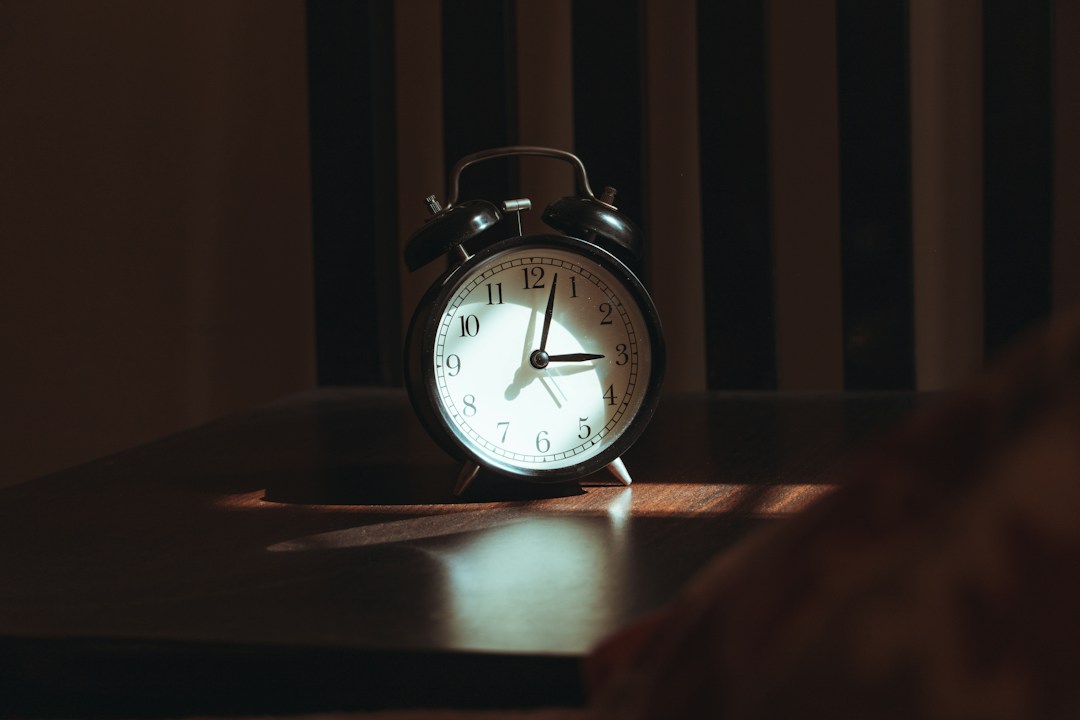
Illustrative photograph by Suhas Hanjar, used under the Unsplash licence.
Explore the app and related reading
- Letting Go Hypnosis for Android — app details and in-app purchases on Google Play.
- Better Sleep: A Complete Guide
- Wake Up in the Night and Can’t Get Back to Sleep?