How to Plan a Food Shop When You’re Tired and Tempted by Everything
You finish work, walk into the supermarket for dinner and suddenly have to decide what to eat tonight, what to take tomorrow and whether the offer at the end of the aisle is useful. A short shopping plan can give you a starting point when you have little energy left.
Try the following routine for your next small shop. Adapt the food choices to your appetite, budget, allergies and any dietary advice you already follow.
1. Decide what needs feeding before choosing ingredients
Write down the meals you actually need to cover. For example, “Friday dinner, Saturday breakfast and a packed lunch” is easier to shop for than “eat better this weekend”. Include snacks and drinks you expect to need.
Check the fridge, freezer and cupboard before leaving. If you already have pasta and tinned tomatoes, you may only need beans and vegetables for a meal. This is also a chance to notice something that needs using soon.
2. Choose one meal you can manage when tired
Give tonight’s meal its own line on your list. Choose something you know how to prepare with the time and equipment available. A jacket potato with beans and a side of vegetables, or an omelette with toast and tomatoes, might suit. Adjust quantities to the people eating and their needs.
Include a fallback for a changed plan. Frozen vegetables and a familiar cupboard ingredient can help when a late finish makes your original recipe unrealistic. Convenience can be part of looking after yourself.
3. Make a list you can read in the aisle
Put similar items together so that you can check them off as you walk round. Keep the list short enough to use on your phone or a scrap of paper.
A worked example for a small shop
Meals needed — two dinners and breakfast.
Already at home — oats, pasta and tinned tomatoes.
Buy — milk or a suitable fortified alternative, bananas, eggs, a tin of beans, frozen peas and tomatoes.
Easy dinner — pasta with tomatoes, beans and peas.
Second dinner — eggs on toast, using bread already in the freezer.
This is an example of joining ingredients to meals, so change it to match foods you enjoy. Check that you have enough for everyone and add the snacks, drinks and other foods you need. The NHS Eatwell Guide describes balance across a day or week, which leaves room for meals to look different.
4. Leave room to make a choice
If you are hungry, give yourself permission to eat. You can have a suitable snack or meal before shopping if that fits your day. A list should help you organise purchases while leaving you responsive to your needs.
When an unexpected food catches your eye, ask a practical question such as “Would I enjoy this, can I afford it, and when would I use it?” You can add it to the basket. You can also leave it for another visit. Neither decision needs a running commentary about your willpower.
For a special offer, check the total price, storage space and whether you will use the amount. A second packet only helps your plan if you have a use for it.
5. Make the next meal easy to find
Once home, put chilled and frozen food away promptly and follow storage instructions. Keep tonight’s ingredients together where appropriate. Leave a note naming the meal if that helps you remember what you bought it for.
After the meal, ask which part of the plan made life easier. Perhaps a shorter list helped, or your fallback dinner was the useful part. Carry that one detail into the next shop.
Try this today. Name your next meal, check what you already have and write down the missing ingredients before opening a shopping app or heading out.
UK and US resources for planning food
- NHS Eatwell Guide — UK guidance on variety and the overall balance of food groups. A registered dietitian can help adapt advice for medical or dietary needs.
- University of Minnesota Extension — Before you shop — US guidance on checking supplies, planning meals and writing a useful shopping list.
- NHS support for binge eating disorder — if eating feels repeatedly out of control or distressing, professional support can help. Follow your treatment plan, including advice about regular meals and snacks.
Making space around food cravings
Manage Food Cravings & Feel More in Control is a 34-minute 53-second guided hypnosis recording for a separate time of rest. A sheltered garden scene leads into imagined everyday situations involving familiar food cues.
The Letting Go approach invites you to recognise a manageable urge, allow it some space and explore easing the pressure around it. That may offer a useful opportunity for relaxation and reflection alongside practical shopping preparation. Experiences vary. The recording offers general wellbeing support and makes no promise of weight loss or a particular change in eating behaviour. The resources above support the practical guidance and do not establish the effectiveness of this recording.
Listen to the complete recording
Explore the Healthy Eating & Food Cravings Bundle
The bundle brings together Healthy Eating, Let Go of Emotional Eating, and Manage Food Cravings & Feel More in Control. Choose a session according to whether you want to reflect on everyday habits, emotions or familiar food cues. The three separate MP3 downloads cost £14.99 with permanent access and no subscription. Explore the Healthy Eating & Food Cravings Bundle.
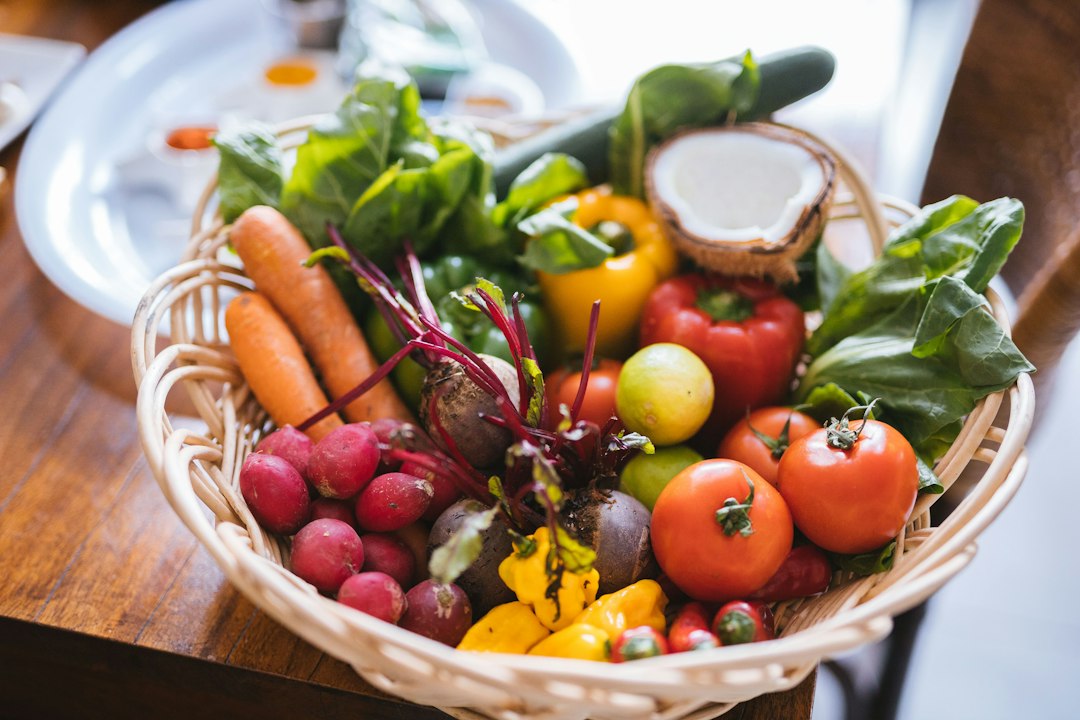
Featured photograph by Vije Vijendranath, used under the Unsplash licence.