
How to Sleep After a Night Shift When Your Mind Is Still Busy
Finishing a night shift does not always mean you feel ready to sleep. Your body may be tired while your mind is still working through the last job, the journey home or the day ahead.
How can you sleep after a night shift? Make the trip home safely, give yourself a short and repeatable wind-down, then protect a dark, quiet block of time for daytime sleep. Keep caffeine earlier in the shift and let household members know when you need to be undisturbed. You cannot force sleep, but you can make it easier to arrive.
Start with the journey home
Sleep preparation begins after your work is done, but getting home safely comes first. If you are too sleepy to drive, do not rely on a relaxation exercise to make the journey safe. The NHS advises against driving when sleepy. Arrange a safer way home or a safe place to rest if you need one.
Light can affect alertness and the body clock. Advice to reduce morning light after a shift needs care when you drive: NIOSH warns that dark sunglasses after a night shift are safest only when someone else is driving you home. Once home, you can lower indoor light as you prepare for bed.
Give your mind a handover, not another task
Night work can leave you mentally switched on. Nick George, the founder of Letting Go Hypnosis, has worked night shifts as an HGV driver. This article reflects a practical distinction familiar to shift workers: reaching home and settling for sleep are separate steps. No single routine fits every rota or household.
Try a five-minute handover. Write down anything that genuinely needs attention after you wake. Then choose one quiet activity: a warm shower, a few pages of a book or calm music. The UK Health and Safety Executive recommends a relaxing routine before bed and suggests a short walk, reading, music or a bath. Keep the handover brief; the aim is to stop planning, not to finish tomorrow’s work.
Set up the room for daytime sleep
Daylight, deliveries and ordinary household noise can interrupt sleep after a night shift. Make the room as dark and quiet as you reasonably can. Blackout curtains or an eye mask may help with light; consider earplugs or another comfortable way to reduce noise. Tell people you live with when you plan to sleep, and silence non-essential notifications.
The US National Heart, Lung, and Blood Institute advises shift workers to remove sound and light distractions from the bedroom during daytime sleep. Protecting the time matters as much as changing the room. If your schedule allows, give yourself enough time in bed rather than expecting a short sleep to do all the work.
Think about caffeine before the shift ends
A coffee may be useful earlier in a night shift, yet caffeine close to bedtime can make the transition harder. HSE advises shift workers to avoid caffeine, energy drinks and other stimulants for a few hours before bed. NHLBI similarly suggests limiting caffeine to the first part of a shift. Your timing will depend on your rota and how caffeine affects you; the practical question is whether your last drink is still keeping you alert when you get home.
If you are hungry, a light snack may be more comfortable than going to bed hungry or eating a heavy meal immediately before sleep. HSE includes this in its advice for shift workers.
What if your mind starts replaying work in bed?
Try to notice the thought without treating it as another job to complete. You might say to yourself, “That belongs to my next waking period.” If it needs action, put a few words on your list. Then bring your attention back to the feeling of the bed supporting you or to an easy, natural breath.
This is the Letting Go Hypnosis approach in a small form: recognise what is present, allow the feeling without a fight, and release the need to solve everything now. Rest does not require a perfectly empty mind. If a particular exercise makes you more alert or uncomfortable, leave it and choose a quieter option.
Can a sleep recording help after a night shift?
Some people like a calm voice as part of a wind-down. A recording can provide a familiar focus while you settle, but it cannot replace sufficient sleep opportunity, a suitable environment or help for an ongoing sleep problem. Experiences vary.
Our complete Deep Sleep Reset MP3 is free through the website. It has a natural sleep ending, so use it only when you are already home, safe and able to fall asleep. The Letting Go Hypnosis Android app includes three complete free recordings. You can also visit our YouTube channel for free listening. For more on putting thoughts down at bedtime, read How to Let Go of the Day and Sleep Naturally. If work tension is the main obstacle, see How to Let Go of Stress and Deeply Relax After a Busy Day.
Explore the Sleep Bundle
For support at different points in the night, the Sleep Bundle brings together Deep Sleep Reset, Fall Back Asleep and Quiet Your Mind for Sleep. Choose one session to suit your evening, bedtime worry or waking in the night. Deep Sleep Reset remains free on its own; the bundle offers the two paid sleep recordings together and includes the free session for convenience.
Each bundle provides three separate MP3 downloads with permanent access and no subscription. These are the same complete recordings available individually, so check your existing purchases before buying.
When should you ask for help?
If you regularly struggle to sleep after shifts, feel sleepy at work or find that tiredness is affecting your driving or daily life, speak with a healthcare professional. NHLBI recommends talking with a doctor if you cannot sleep during the day or adapt to a shift schedule. A recording is a wellbeing aid, not medical treatment.
Safety: Never play a hypnosis recording while driving, working, operating machinery or doing anything that needs your attention. Stop listening if you feel uncomfortable. This article offers general information and does not replace individual medical advice.
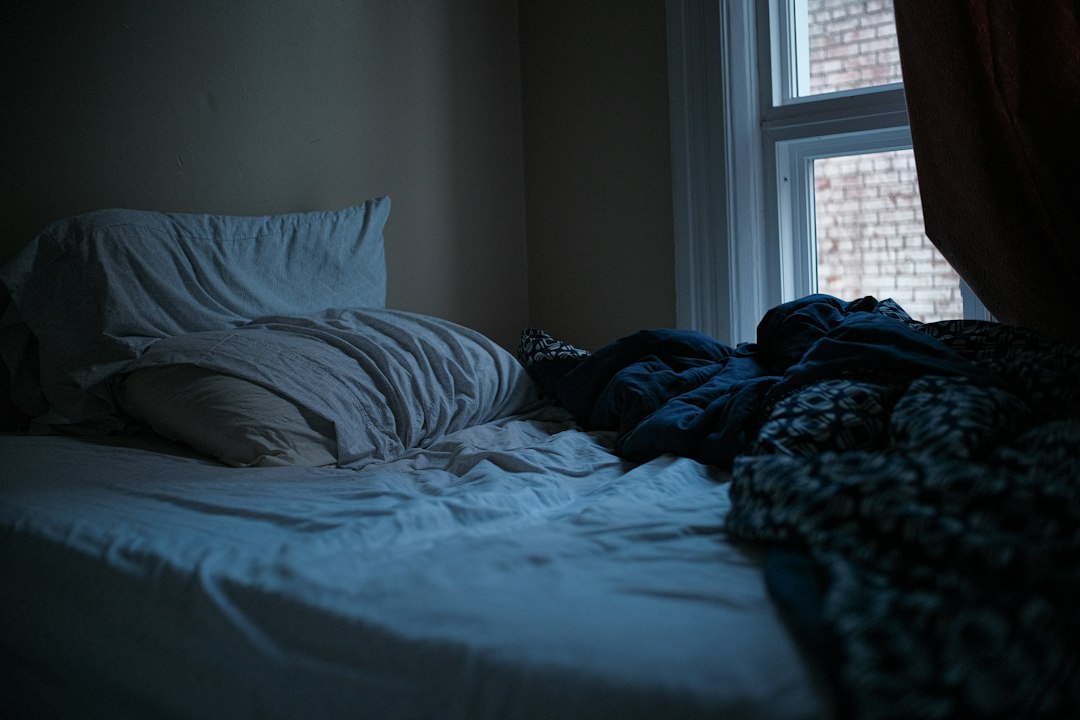
Featured photo: Allen Y on Unsplash.

One Comment