Smoked After Quitting? What to Do After a Cigarette Slip-Up
Short answer: if you smoked one cigarette after quitting, stop the slip from becoming the next cigarette. Put out what remains, remove any cigarettes you still have, return to your quit plan and contact your stop-smoking support if you need it. The NHS describes one puff or a single cigarette as a lapse, not a full relapse. It does not mean your attempt has failed.
The hours after a slip can matter because disappointment can quickly turn into an all-or-nothing thought: “I have ruined it, so I may as well carry on.” A more useful response is to treat the cigarette as information. Something made smoking feel available in that moment. You can notice what happened, strengthen the plan around that trigger and make your next choice without punishing yourself.
Is one cigarette a relapse?
Not necessarily. The NHS guidance on getting back on track distinguishes a single puff or cigarette—a lapse—from returning to regular smoking, which it describes as a relapse.
That distinction is useful, but it is not permission to dismiss the cigarette. The practical aim is to interrupt the sequence promptly. If you have returned to smoking regularly, the NHS recommends taking stock, making a stronger plan and choosing another quit date, ideally within the next two weeks.
What to do immediately after a smoking slip
1. Stop at the cigarette you have already smoked
Do not wait for tomorrow, Monday or a new packet. Put out the cigarette safely and remove any cigarettes, lighters and ashtrays that could make the next decision automatic. If another person offered it, tell them plainly that you are continuing with your quit.
2. Continue your agreed stop-smoking support
If you use nicotine replacement therapy or prescribed stop-smoking medicine, follow the instructions you were given. Do not change or stop treatment because of a slip without checking the product guidance or speaking with a pharmacist, GP or stop-smoking adviser.
NHS stop-smoking services offer free advice and professional support. They can discuss cravings, difficult situations and suitable treatments with you rather than leaving you to rely on willpower alone.
3. Tell one supportive person
A short message can prevent the slip from becoming a private reason to give up: “I smoked one, but I am getting back on track. Can I check in with you later?” Choose someone who can support the next step without lecturing you.
4. Make the next hour easier
Move away from the place where you smoked. Drink water, brush your teeth, change your activity or contact your adviser. The action itself does not treat nicotine dependence; it simply changes the immediate setting while you use the support in your quit plan.
Review the trigger without turning it into a trial
Once the immediate urge has passed, ask four factual questions:
- Where was I?
- What was happening just before I smoked?
- What feeling, thought or physical urge was present?
- What could I prepare for that situation next time?
The trigger may have been alcohol, an argument, a work break, seeing another person smoke, finishing a meal or finding an old packet. The NHS lists routines, emotions and social situations among common smoking triggers and recommends planning for them in advance. See its guide to understanding smoking triggers and cravings.
Keep the review specific. “I have no willpower” gives you nothing practical to change. “I had two drinks, someone offered me a cigarette and I had not planned what to say” points towards a clearer response: limit or avoid alcohol for now, keep your chosen support available and prepare a simple refusal.
A brief Letting Go practice for guilt and the next urge
Guilt can create more pressure, and pressure can make another cigarette feel tempting. The Letting Go approach does not ask you to pretend the slip was harmless. It gives you a moment to meet the feeling without allowing it to decide what happens next.
- Put both feet on the floor and let one natural breath pass.
- Name what is present: “There is disappointment,” “There is an urge,” or “I am afraid I have failed.”
- Notice where you feel that response in the body. Allow it to be there for a few moments without arguing with it.
- Ask whether you can soften a little of the struggle around the feeling—not the commitment to quit.
- Reconnect with one personal reason you chose to stop smoking.
- Choose the next action from your quit plan.
You do not need to feel perfectly calm or confident before taking that action. The purpose is to create a little room between what you feel and what you do next.
Should you change your quit plan?
A slip is a good reason to check whether the plan matches the situations you actually face. Consider:
- which time or situation needs more protection;
- whether your current treatment is being used as directed;
- who you will contact during a strong craving;
- what you will say when someone offers a cigarette;
- whether cigarettes are still available at home, work or in the car.
If cravings or withdrawal are difficult, speak with a stop-smoking adviser, pharmacist or GP. Support is not evidence that you are doing badly. Nicotine dependence can be difficult to manage, and appropriate treatment plus professional help can give you a stronger plan.
What if you have started smoking regularly again?
Respond honestly rather than waiting for the “right” mood. Note what changed, contact support and choose a new quit date. The NHS suggests setting that date within the next two weeks so there is time to prepare without leaving the decision indefinitely.
Reviewing a relapse is not about proving that the previous attempt was wasted. You learned where the plan was vulnerable. That information can shape the next attempt: different treatment, more contact with an adviser, a change to a routine or firmer boundaries around a social trigger.
Optional support from Letting Go Hypnosis
The complete Stop Smoking — Let Go of the Habit recording is a 34-minute 35-second guided session designed to support your decision alongside a quit plan. It explores making room for an urge, reconnecting with your reason for stopping and rehearsing a different response to familiar smoking cues. It does not treat nicotine dependence or guarantee that you will stop smoking.
Listen to Stop Smoking — Let Go of the Habit free on YouTube.
For permanent, ad-free listening, the Stop Smoking hypnosis MP3 is available in the Letting Go Hypnosis website shop. You can also browse the full website shop or use the Letting Go Hypnosis Android app on Google Play.
For more detail about cravings and the recording, read How to Stop Smoking and Let Go of the Habit. If the difficult part is the feeling that one mistake ruins everything, How to Break Unhelpful Habits offers a broader guide to pausing and beginning again.
Listening and health safety: hypnosis is an optional relaxation and personal-development practice, not a replacement for stop-smoking treatment or medical advice. Put out any cigarette before listening. Listen only somewhere safe to rest—never while driving, walking, exercising, cycling, operating machinery or doing anything that needs your attention. Continue treatment as directed and speak with a pharmacist, GP or stop-smoking adviser if you need help with nicotine dependence, withdrawal or medication.
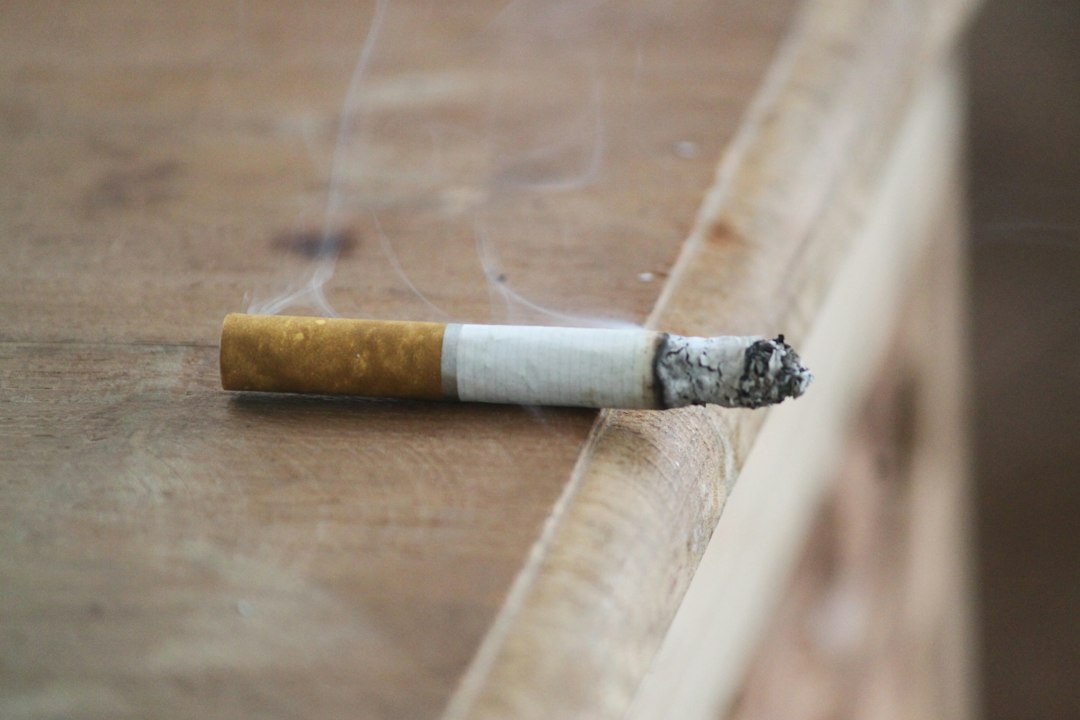
Featured photo by Mufid Majnun on Unsplash.